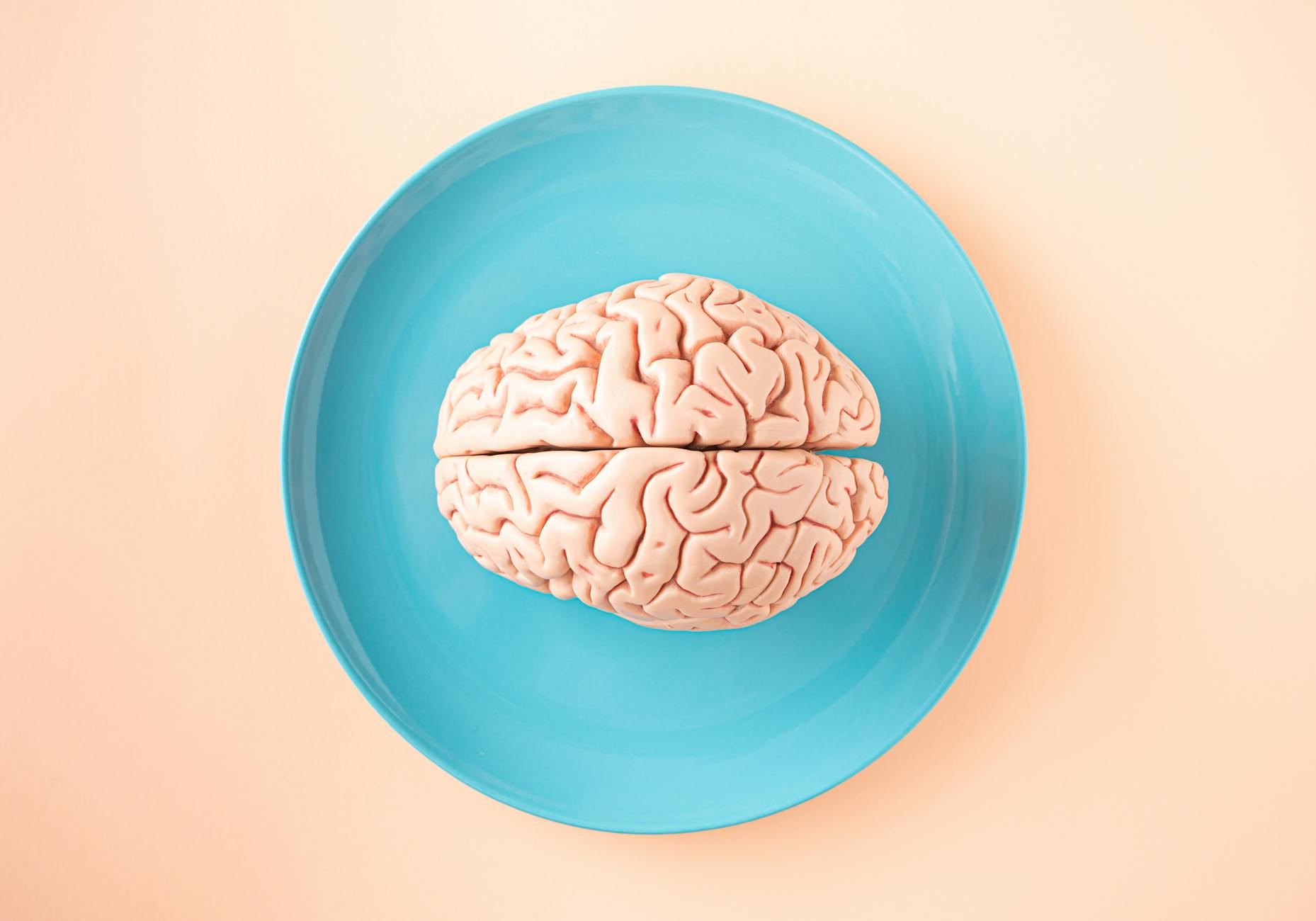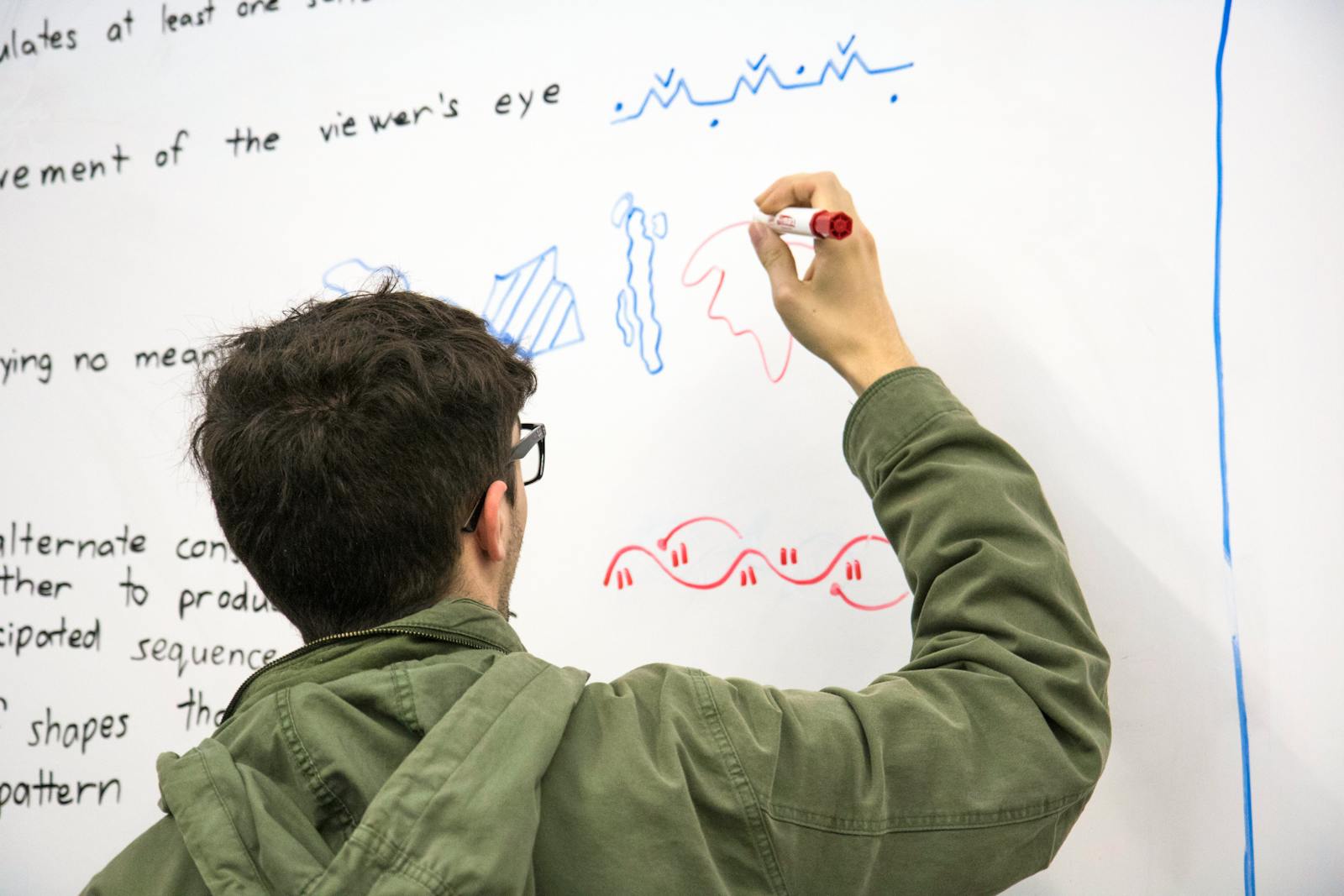
A 2014 Princeton study said handwriting beats typing. Then replications got messy. Here is what the evidence actually shows about which note-taking method helps you score higher on exams.

Trying to memorize 40 formulas the night before an exam rarely ends well. Here is what cognitive science says about formula retention, and the nine concrete methods that beat brute-force rereading every time.

Most students paste their notes into ChatGPT and ask 'explain this' — and forget it all by Tuesday. Here are five prompt patterns that actually drive retention, plus the mistake that wastes the most study time.

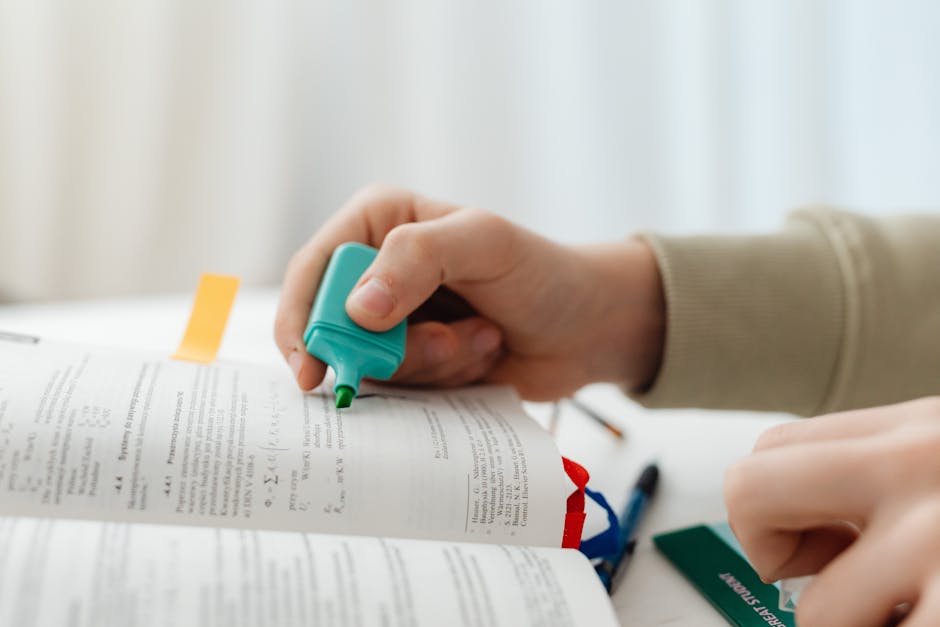
Highlighting feels productive but the research is clear: it is one of the least effective study techniques. Here is what cognitive science says — and the evidence-based methods that actually move exam scores.

You can't out-hustle a 40-hour job with willpower. Here is a working study plan built around the small windows real life leaves you, the techniques that produce real retention per minute, and the habits that survive past Tuesday.


Most students treat past papers as a final dress rehearsal. The students who do best treat them as the spine of their study plan. Here is how to use past papers as a study tool, not a self-test.

Essay exams reward writers who can argue, not students who can recall. Here is a step-by-step study plan built around thesis libraries, timed practice, and opening paragraphs.

Re-reading your notes feels like studying. It mostly is not. The Feynman Technique is the 4-step trick that exposes what you actually know — and it works on physics, history, biology, and everything else you have to explain on an exam.

Seven days out from your AP exam? Skip the marathon cram session. A day-by-day plan built on cognitive science research — audit, practice, weakness work, sleep — that beats highlighting and re-reading every time.

Most students re-read textbooks four or five times and still blank on exam day. SQ3R fixes that by turning passive reading into active retrieval — and the research backing it goes back almost 80 years.

Open-book exams are often harder than closed-book ones. Learn how to prepare, organize materials, and avoid the trap of treating notes as a substitute for understanding.

Decades of meta-analyses say matching study methods to your learning style does not raise exam scores. Here is what the research actually shows — and the techniques that do work.


A 14-day, science-backed plan for cumulative finals: topic mapping, active recall on the hardest material first, spaced revisits, two timed practice exams, and interleaved problem sets — built around how memory actually works.

Highlighting feels productive but rarely helps memory. Dual coding pairs words with simple sketches so your brain stores ideas twice — and gives you two ways to remember them on exam day. Here is how to use it.

Lo-fi or silence? Lyrics or instrumental? The honest answer about studying with music depends on the task — and most students are using the wrong playlist for the wrong cognitive job.

Math exams punish the wrong kind of preparation. Here are 8 cognitive-science-backed strategies — from interleaved practice to error logs to timed simulations — that actually build problem-solving skill, plus a realistic week-long study plan.

Test anxiety is a physiological response, not a character flaw. Here are 9 evidence-based techniques — from 4-7-8 breathing to cognitive reappraisal — that actually calm your brain before exams.

World memory champions use it to memorize 1,000-digit numbers. You can use it to crush your next anatomy exam. Here is how the Memory Palace technique works, why it crushes flat memorization, and a step-by-step plan to build one before your test.

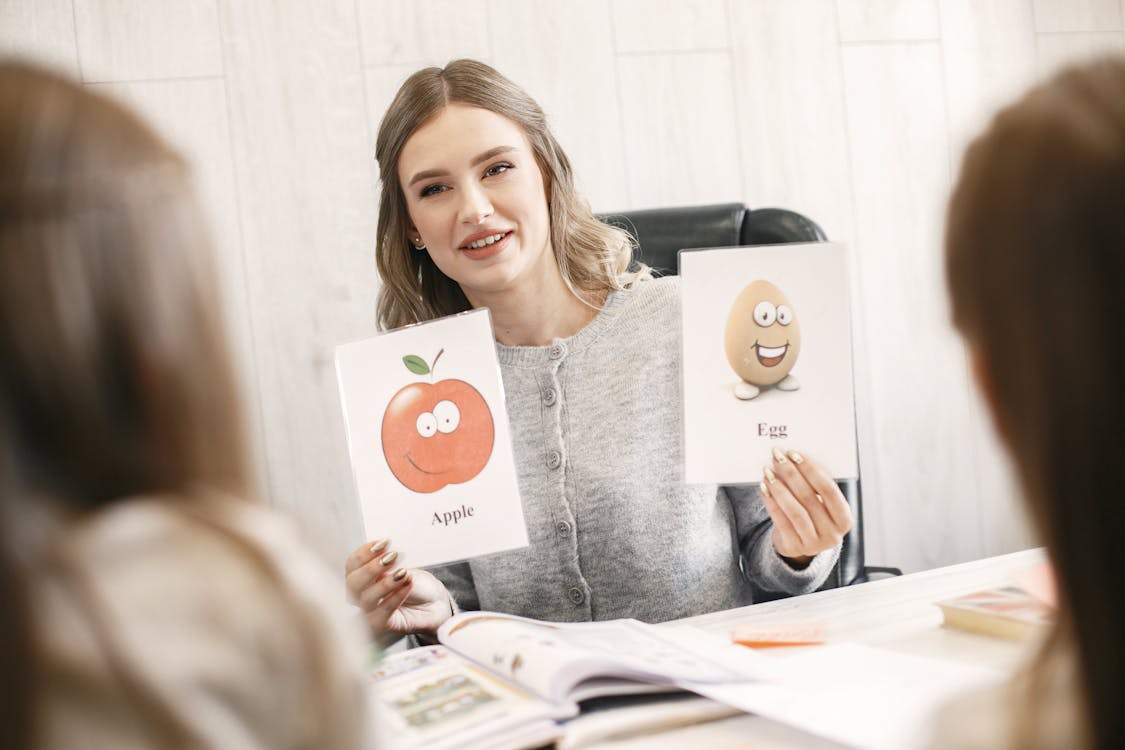
Most students use flashcards wrong. Learn the science-backed method that combines active recall and spaced repetition to lock information into long-term memory before your next exam.

Most study advice is built for neurotypical brains. If you have ADHD, trying to follow it often makes things worse. Here's what actually works for ADHD exam prep — backed by research and real student experience.

Mind mapping turns scattered study notes into visual roadmaps your brain actually remembers. Here is exactly how to use this technique to prepare for any exam.

Procrastination hits nearly every student. This guide breaks down why it happens and gives you research-backed techniques to fix it — from implementation intentions to environment design and practice testing.

Most students fill pages of notes and forget most of it within 48 hours. The Cornell method divides your page into three zones that force active recall, spaced review, and synthesis — turning your notes into a built-in study guide from day one.

Sleep-deprived students retain up to 40% less information than well-rested peers. Learn how memory consolidation works during sleep, why all-nighters backfire, and how to build a study schedule that uses sleep as a learning tool.

Most students sit down for three-hour study marathons and walk away exhausted but under-prepared. The Pomodoro Technique restructures your time into 25-minute focused blocks with strategic breaks — and the science shows it produces measurably better retention.

The blurting method is a memory retrieval technique where you close your notes and write down everything you can remember. It's uncomfortable, fast, and one of the most honest study tools available.

Most students block-study one topic at a time. Research shows interleaved practice — mixing different problem types in the same session — produces 43% better exam results. Here's the science and a step-by-step system to use it.

Multiple choice exams punish surface-level knowledge. This guide covers proven cognitive science strategies — retrieval practice, spaced repetition, elimination tactics — to help you study smarter and score higher on any multiple choice test.

Most students study the wrong way and wonder why their mind goes blank on exam day. These 8 science-backed memorization techniques — from retrieval practice and spaced repetition to the memory palace — help you retain more in less time.

Most students have heard spaced repetition is the best study method — but most are doing it in a way that cuts the results in half. Here's the science and the schedule that actually works.

In this comprehensive guide, we'll explore what AI practice test generators are, how they work, the best tools available right now, and proven strategies to get the most out of them.

Modern AI proctoring solutions employ a multi-layered approach to examination security:

Active recall is the most effective study method for exam prep. Learn how to use it with AI tools, flashcards, and practice tests to boost memory retention and exam performance.

Learn how to transform your messy study notes into effective AI-generated practice exams in under 15 minutes. Step-by-step guide with real prompts, tool recommendations, and the science behind why testing yourself works better than rereading.

Looking for the best AI practice test generator from study notes and PDFs? Here's what actually matters when your notes are messy, your exam is close, and generic quizzes just waste time.

Looking for the best AI quiz generator from notes? This guide compares what students really need, where top tools fall short, and how to turn messy class notes into practice tests that feel exam-ready.

Comparing AI quiz tools is easy. Comparing whether they create practice questions you can actually trust is harder. This guide breaks down what students and teachers should look for when turning notes or PDFs into useful practice tests.

Richard Feynman's four-step study method forces you to confront what you actually know versus what you think you know. Here's how to use it before your next exam — backed by decades of cognitive science research.

Most exam questions reward students who memorize well and punish students who think well. Here's how to flip that, backed by assessment research and practical examples you can steal.

Most students lose essay exam points before paragraph two — not because of bad ideas, but invisible structure. Learn the TASK framework that turns average essay answers into A-grade responses by reverse-engineering how rubrics actually work.

Your brain doesn't just store facts — it wraps them in the sounds, smells, and lighting of wherever you studied. Here's how to exploit that quirk for better exam scores.

Most students walk into open-book exams expecting easy wins, then walk out confused. Here's why open-book tests trip people up and a realistic preparation method that actually works.

Most students throw away their wrong answers. That's a mistake on top of a mistake. Error analysis — classifying and targeting your specific mistake types — can boost your exam scores by 18% or more, according to research tracking nearly 7,500 students.

You stayed up until 3 AM. You highlighted everything. You still bombed the test. Here's why cramming is neurologically broken — and the unglamorous technique that cognitive scientists have been screaming about since the 1980s.

Most study plans fail within days. This step-by-step guide uses cognitive science principles — spaced repetition, active recall, and strategic scheduling — to build a plan that survives real life and actually improves your grades.

Most study plans fail within days. This step-by-step guide uses cognitive science principles — spaced repetition, active recall, and strategic scheduling — to build a plan that survives real life and actually improves your grades.

Test anxiety affects up to 40% of students. Here are 9 evidence-based strategies that actually work — from cognitive reframing to strategic practice testing.

Test anxiety affects up to 40% of students. Here are 9 evidence-based strategies that actually work — from cognitive reframing to strategic practice testing.

Stop studying everything and start studying what matters. These seven evidence-based strategies help you predict exam questions with surprising accuracy — so you can prepare smarter, not harder.

Traditional study advice was built for full-time students. This guide introduces the Micro-Session Method — a distributed study system designed for working professionals who need to learn effectively without sacrificing their job, sleep, or sanity.

A 6-phase study framework that working professionals use to pass certification exams — from AWS to PMP to CPA — on their very first attempt. No fluff, just a practical system that works.

Finals week doesn't care about your feelings. When you've got three or four exams stacked in five days, generic advice like 'start early' isn't enough. Here's a battle-tested system for studying multiple subjects simultaneously without burning out or blanking on test day.

Stop re-reading your notes and start testing yourself. Here's a proven 5-step system to transform any set of notes into effective practice exams — backed by learning science and designed for real exam prep.

You've read the chapter three times and still can't remember anything on exam day. That's not a memory problem — it's a strategy problem. Here's what the research says actually works, and how to do it without burning out.

The highest-performing students don't grind for 12 hours straight. Neuroscience research shows your brain consolidates information during rest — and strategic breaks can boost retention by up to 40 percent.

Most students spend years memorizing facts that expire. The ones who pull ahead? They master the process of learning itself. Here is why meta-learning might be the most underrated career advantage of 2026.

The Feynman Technique forces you to explain concepts in plain language — exposing every gap in your understanding before the exam does it for you.

Most students take notes the wrong way. Here are five research-backed note-taking methods — from Cornell to Zettelkasten — that turn passive scribbling into active learning.

Your resume is not enough anymore. Learn how to build a digital portfolio that showcases your real skills, impresses recruiters, and lands you the job — even as a student with limited experience.

Your brain forgets 67% of what you learn within 24 hours. Here is why it happens and the evidence-based techniques — active recall, spaced repetition, interleaving — that actually make knowledge stick.

You carry a supercomputer in your pocket every day. Stop using it just for TikTok and start turning it into a legitimate study machine with these practical strategies.

ChatGPT is old news. These five free AI tools are purpose-built for studying — and they are quietly changing how the best students prepare for exams.

More companies than ever are replacing human recruiters with AI avatars for first-round interviews. Here is what that experience is actually like, and a practical guide to making sure you do not get filtered out by a machine.

Real-time monitoring data from schools shows students use AI mostly for studying and research — not cheating. Here is what the numbers say.

A growing number of students are turning to AI chatbots for emotional support. With school counselor ratios at 1-to-385, some districts are leaning in while others push back.

As lawmakers across the US push to ban phones and screens from classrooms, educators are split. We look at what the research actually says — and why the answer isn't as simple as "just take the phones away."

Exam anxiety affects nearly 40% of students. These 8 evidence-based strategies — from cognitive reappraisal to strategic preparation — can help you turn nervous energy into better performance.

Tired of watching yourself waste hours before finally cracking open your textbook? Here are practical, research-backed strategies to beat study procrastination for good.

AI tutors replace teachers. Screen time destroys focus. Online degrees are worthless. We tested these common EdTech beliefs against actual research — and most of them fell apart.

College degrees are becoming optional. These 7 certifications can land you a higher-paying job faster and cheaper — with data to prove it.

Most study schedules fail within a week. Here's a practical, psychology-backed approach to building one that actually survives contact with real life.

Forget cramming and highlighting. Research shows these 5 study techniques genuinely improve retention and test scores — and most students have never tried them.

Discover how AI exam tools can save teachers over 10 hours a week, streamlining assessments and enhancing the learning experience.

Discover how OCR technology turns handwritten notes into effective exam questions, streamlining educational assessments.

Explore how digital transformation can enhance education, empowering teachers with practical tools and strategies for effective teaching.

Discover how AI-driven exam generation can significantly reduce costs for schools while improving efficiency and educational outcomes.

Discover how AI-generated exams enhance assessment efficiency and effectiveness in education, transforming traditional testing methods.

Explore innovative STEM assessment strategies that engage students and elevate learning in today's classrooms.

Discover how to write multiple choice questions that effectively assess student understanding and promote deeper learning.

Discover how AI-generated exams enhance assessment efficiency and effectiveness in education.

Discover how to streamline your assessment process with automation. Enhance efficiency and accuracy in your educational workflows.

Learn how to write multiple choice questions that genuinely assess understanding and knowledge retention.

Discover how AI can enhance question bank creation for educators.

Discover how AI is revolutionizing exam creation, enhancing efficiency and quality for educators.

Discover tips for crafting effective true/false questions and avoid common pitfalls with QuickExam AI's expert guidance.

Discover why digital exam creation is essential for modern education. Learn the top 10 reasons to make the switch today!

Discover how AI can help educators design impactful science exam questions that enhance student learning and assessment accuracy.

Discover how optical character recognition helps you create exams from handwritten notes and textbooks.

Explore how artificial intelligence is transforming the way we create and grade exams.

A deep dive into how AI determines question difficulty and how to use it effectively.

Learn how to effectively share your AI-generated exams with students and track their progress.

Learn best practices for creating MCQs that truly assess student understanding using AI-powered tools.

Maximize your productivity with these proven strategies for creating assessments faster.