What to Eat Before an Exam: Brain Foods That Keep Your Focus Steady When It Counts
You spent three weeks reviewing. You slept well. You walked into the exam room confident. And then, somewhere around question 14, the words on the page started sliding around and your brain felt like it was running through wet sand. The problem might not have been your studying at all. It might have been your breakfast.
What you eat in the hours before a test shapes how steadily your brain works while you sit there trying to think. Glucose is the fuel your brain runs on, and the way you deliver that fuel decides whether you get a smooth, even supply or a sugar spike followed by a crash that lands at the worst possible moment. This is not wellness folklore. The links between blood sugar, hydration, and mental performance show up consistently in controlled research, and the practical takeaways are simple enough to act on the night before any exam.
Why your brain is so picky about fuel
Your brain is roughly two percent of your body weight but burns around twenty percent of your daily energy. It cannot store fuel the way muscles can, so it depends on a near-constant trickle of glucose arriving through your bloodstream. When that supply is steady, attention and working memory hold up. When it spikes and crashes, focus goes with it.
This is the single most important idea for exam-day eating, and it explains most of the advice that follows. A pastry or a sugary energy drink floods your blood with glucose fast. Your body answers with a surge of insulin, blood sugar drops below where it started, and within two to four hours you feel tired, foggy, and irritable. If your exam is two hours after that pastry, the crash arrives mid-test. Slow-digesting foods avoid the whole rollercoaster by releasing glucose gradually, keeping your mental fuel line flat for hours instead of minutes.
The pre-exam meal: protein plus slow carbohydrates
The most reliable pre-exam plate pairs a slow-digesting carbohydrate with a source of protein, eaten about one to two hours before you sit down. The carbohydrate gives your brain its steady glucose drip. The protein slows digestion further and supplies amino acids tied to alertness, so the two work together to keep your energy flat rather than spiky.
Some combinations that fit the bill:
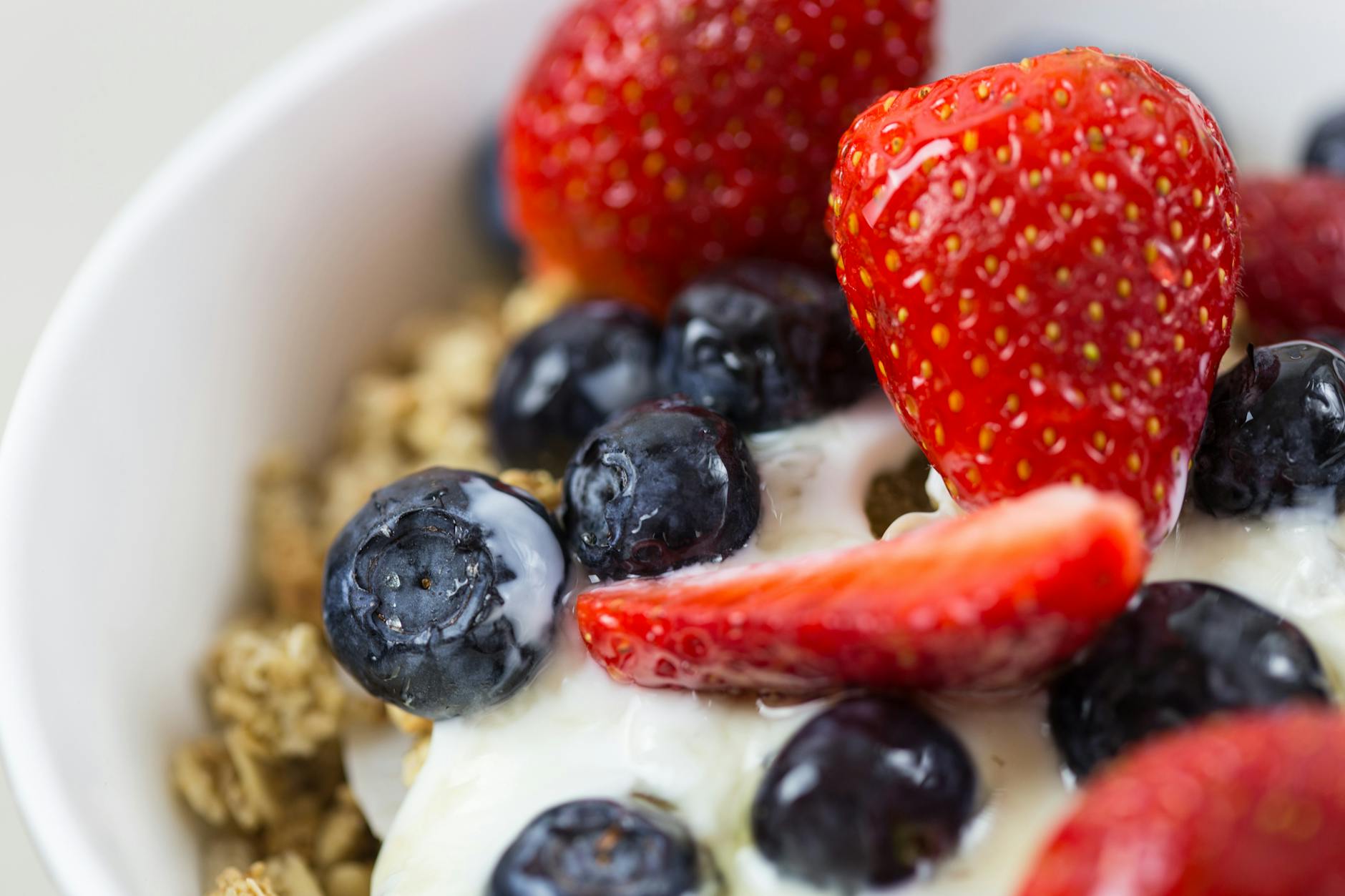
- Oatmeal with nuts and berries. Oats are about as slow-release as carbohydrates get, the nuts add protein and healthy fat, and the berries bring antioxidants. This is close to an ideal exam breakfast.
- Eggs on whole-grain toast. Eggs supply protein and choline, a nutrient your brain uses to make acetylcholine, a chemical messenger involved in memory. The whole grain keeps the glucose steady.
- Greek yogurt with seeds and fruit. Protein-dense, easy on the stomach, and quick to assemble when you are running late.
- A peanut butter sandwich on whole-grain bread. Unglamorous, but it hits the protein-plus-slow-carb formula and travels well.
The exact menu matters less than the structure. Pick something with protein, something with slow carbohydrates, and skip anything that is mostly sugar or refined flour.
Omega-3s: the long game that still helps on the day
Omega-3 fatty acids are building blocks of brain cell membranes and they support communication between neurons. A 2025 meta-analysis pooling 58 randomized controlled trials found that omega-3 supplementation produced measurable improvements in attention and processing speed, which are exactly the abilities you lean on during a timed exam.
Omega-3s are not a same-morning fix. Their benefit builds up over weeks of regular intake, so the students who gain from them are the ones who have been eating fatty fish, walnuts, chia seeds, or flax for a while before exam season. If your finals are still a few weeks out, adding salmon, mackerel, or sardines to a couple of meals a week is a low-effort investment. If your exam is tomorrow, this one is for next term, not breakfast.
Berries and other antioxidant foods
The deep colors in blueberries, blackberries, and strawberries come from antioxidants that may help protect brain cells and support memory and focus. Berries are also low on the glycemic scale, so they fit neatly into a steady-glucose breakfast without triggering a spike. Tossing a handful into your oatmeal or yogurt is one of the easiest upgrades you can make.
Dark leafy greens, dark chocolate in small amounts, and brightly colored vegetables carry similar antioxidant benefits. None of these will rescue a sleepless night or unprepared material, but as part of a regular diet they support the brain you bring into the room.
Nuts and seeds: portable brain fuel
Walnuts, almonds, pumpkin seeds, and sunflower seeds combine protein, healthy fats, and vitamin E in a form you can throw in a bag. Research links regular nut consumption to better brain function and stronger memory and learning. They are also the ideal mid-exam snack if your test runs long and allows food, because a small handful tops up your glucose and fat supply without the crash a candy bar would bring.
The thing students forget: water
Hydration gets ignored because thirst is easy to miss when you are stressed and busy. That is a mistake. Even mild dehydration, a loss of less than one percent of body mass, is linked to measurable declines in cognitive performance. At two percent, the effects sharpen, dragging down memory, attention, mental math, and processing speed. Those are not minor functions on exam day. They are the whole job.
The fix costs nothing. Drink water steadily through the morning rather than chugging a bottle right before you walk in, which mostly guarantees a bathroom request twenty minutes into the test. Bring water if your exam allows it. A small steady intake keeps your brain in the hydrated state it needs to work properly.
What to keep off your plate before a test
Some foods actively work against you in the hours before an exam:
- Sugary cereals, pastries, candy, and energy drinks. These are the classic spike-and-crash culprits. The energy feels great for thirty minutes and terrible for the next two hours.
- White bread and other refined carbohydrates on their own. They behave a lot like sugar once digested, especially without protein or fat to slow them down.
- Heavy, greasy, or very large meals. A big plate of fried food pulls blood toward digestion and leaves you sluggish and sleepy rather than sharp.
- Anything new or risky. Exam morning is the wrong time to try an unfamiliar food or a spicy dish that might disagree with your stomach. Stick with what you know your body handles well.
Where caffeine fits
Coffee and tea are not off-limits, but the dose and timing matter. A moderate amount of caffeine, roughly the level in one cup of coffee, can sharpen alertness and reaction time. Push past your normal intake and you invite jitters, a racing heart, and the anxiety spiral that makes test nerves worse. If you do not normally drink coffee, exam morning is not the day to start. If you do, keep it to your usual amount and pair it with food and water so it does not hit an empty, dehydrated system.
A simple exam-day eating plan
Pulling it together, here is a plan you can follow without overthinking it:
- The night before: eat a normal, balanced dinner with protein, vegetables, and whole grains. Avoid heavy alcohol, which wrecks the sleep that actually consolidates everything you studied. Drink water through the evening.
- One to two hours before: eat your protein-plus-slow-carb breakfast. Oatmeal with nuts and berries, eggs on whole-grain toast, or yogurt with fruit and seeds all work.
- Right before: sip water, do not load up. Keep caffeine at your normal level if you use it.
- During, if allowed: a small handful of nuts or a piece of fruit can steady you on a long exam. Keep water within reach.
What about afternoon and evening exams?
Morning exams get all the breakfast advice, but plenty of tests land at one in the afternoon or later. The same rules apply, shifted in time. Eat a balanced lunch built on protein and slow carbohydrates one to two hours before the exam, and avoid the heavy, post-lunch food coma that a big plate of pasta or fast food can trigger. A grilled chicken or bean salad with whole grains keeps you alert in a way that a burger and fries will not.
If there is a long gap between your last meal and the exam, a small snack thirty to sixty minutes before, a banana, a handful of nuts, or a piece of whole-grain toast, tops off your glucose without weighing you down. The goal across every exam time is the same: arrive fueled but not stuffed, and never on a stomach that has been empty for five hours.
Do supplements and brain pills help?
The shelves are full of nootropics and memory pills promising sharper focus, and most of them are not worth your money for a single exam. The nutrients that genuinely support cognition, omega-3s, B vitamins, antioxidants, work over weeks of normal eating, not as a last-minute capsule. A balanced diet covers what your brain needs. The one supplement worth a mention is caffeine, which is well studied and effective at moderate doses, but you can get that from a cup of coffee without paying for a branded pill. Save your money and eat real food.
The honest limit of brain food
No breakfast turns unprepared material into a passing grade. Food does not replace the spaced practice, active recall, and sleep that build real knowledge. What good exam-day eating does is remove a self-inflicted handicap. It keeps your brain supplied so the preparation you already did can show up on the page, instead of getting buried under a blood-sugar crash or a dehydration fog.
Think of it as protecting your work rather than boosting it. You did the hard part over weeks of study. A steady breakfast, enough water, and a skipped pastry are the small, controllable choices that let that work land when it counts. Eat to keep your fuel flat, drink before you are thirsty, and walk in with the brain you trained, running on the fuel it actually wants.
Ready to Create Better Exams?
Join thousands of educators using QuickExam AI to save time and create engaging assessments.