The Pretesting Effect: Why Failing a Quiz Before You Study Makes You Remember More
The Pretesting Effect: Why Failing a Quiz Before You Study Makes You Remember More
Most students treat quizzes as the final step of studying. You read the chapter, take notes, review for a few days, then test yourself at the end to see if any of it stuck. That order feels intuitive. It is also one of the least efficient ways to use your study time.
Cognitive scientists have spent the past fifteen years documenting a strange but reliable finding: when you take a test on material you have never seen before, and you get most of the answers wrong, you remember the correct answers far better later than if you had skipped the test and gone straight to reading. The effect is called pretesting, and a 2025 paper in Memory & Cognition described it as one of the most reliably reproducible results in learning research.
This article walks through what the pretesting effect is, why it works, what the most recent studies say about getting the most out of it, and exactly how to add prequestions to your own exam preparation this week.
What the Pretesting Effect Actually Is
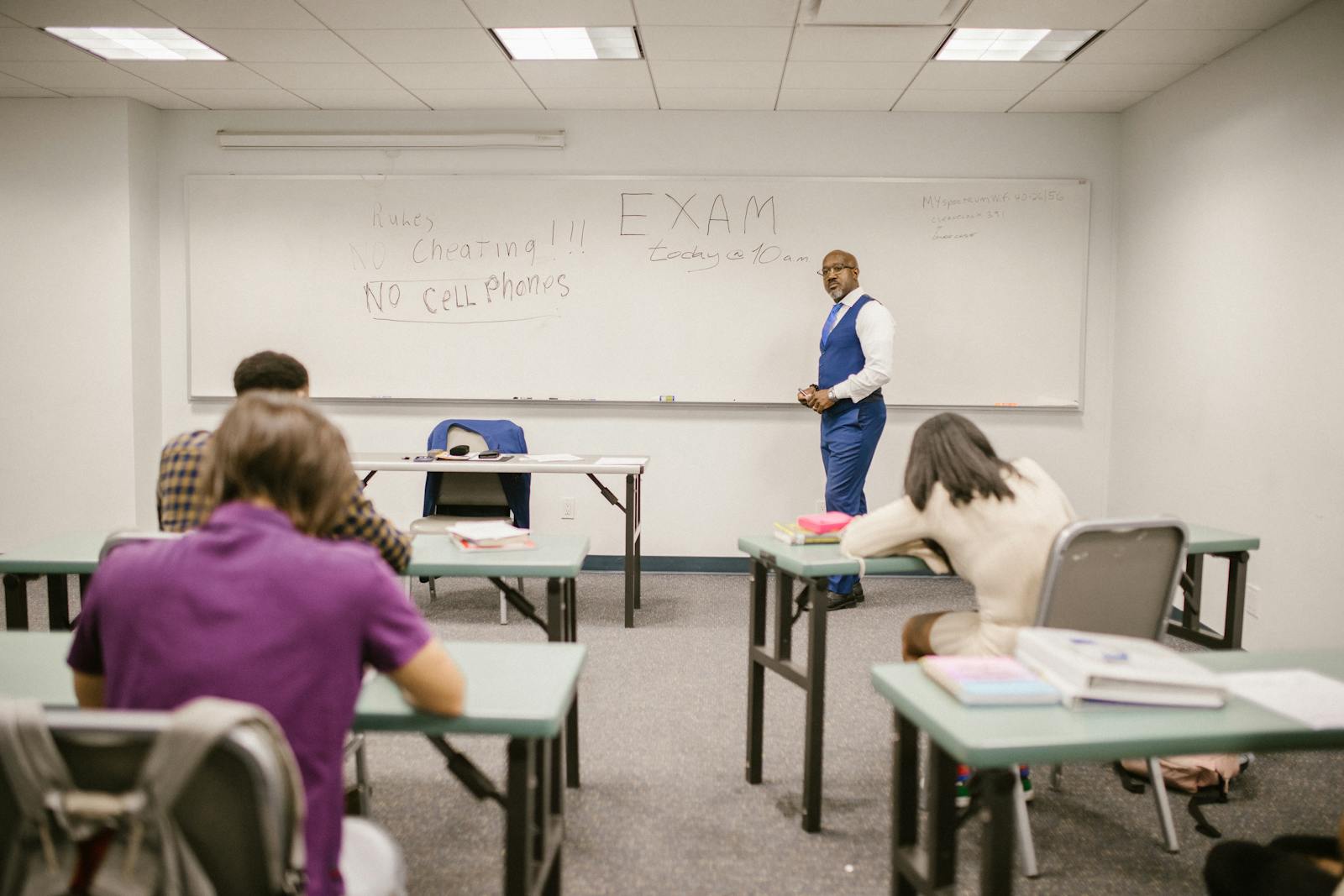
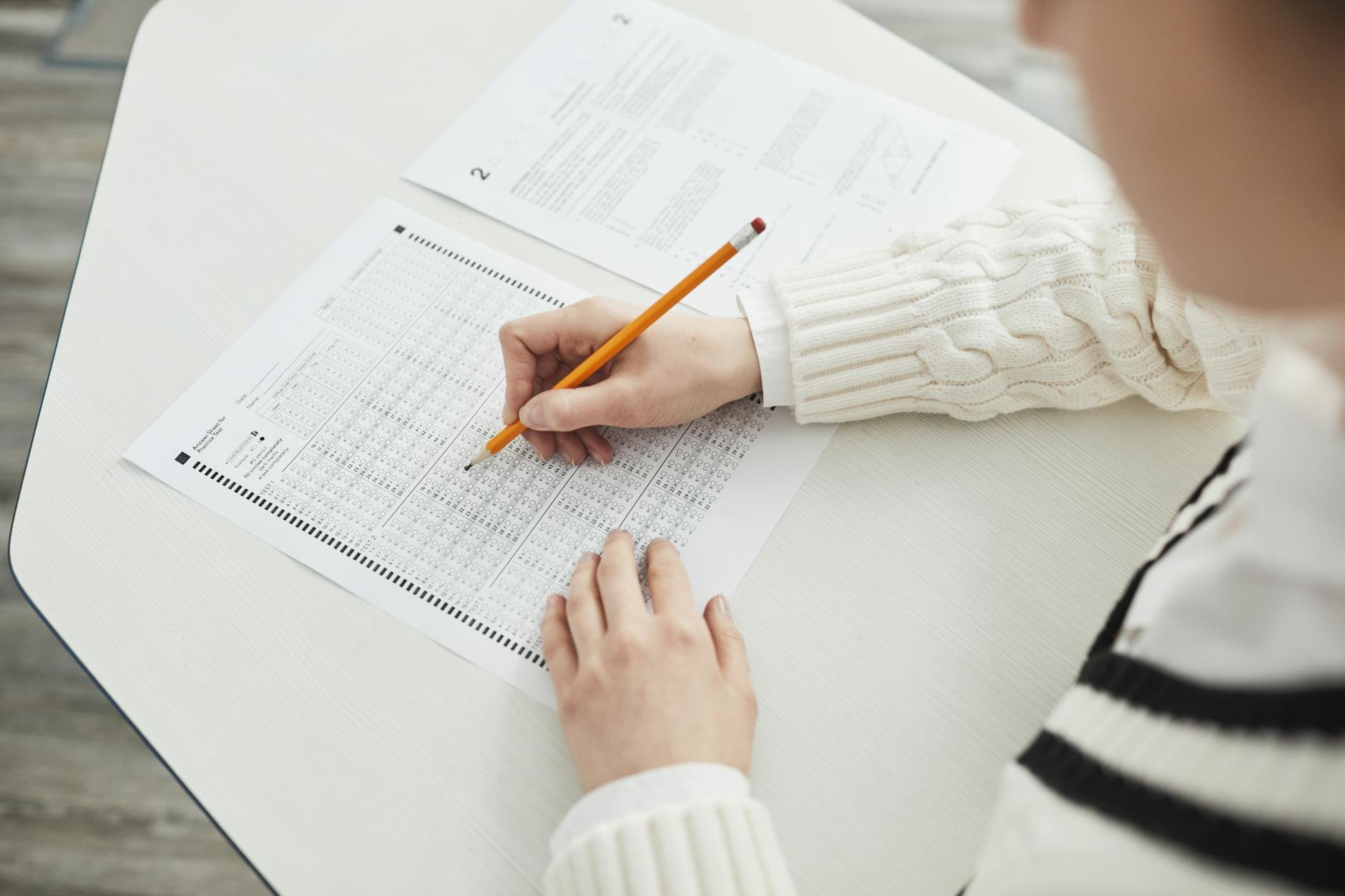
The pretesting effect describes an improvement in long-term memory that happens when learners attempt to answer questions about material before any instruction has taken place. The questions can be multiple choice, short answer, or open-ended. The learner almost always gets them wrong. After the failed attempt, they read the chapter, watch the lecture, or work through the explanation. Later, on a final exam covering that material, they outperform peers who skipped the pretest and used the same time to study more.
The key word is failed. This is not a warmup quiz on material you already half-know. The pretesting effect specifically describes the boost that comes from guessing about content you have no realistic way to answer correctly. Wrong guesses, followed by the right answer, produce stronger memory than passive first exposure.
A 2024 meta-analysis covering studies from kindergarten through medical school found the effect held across age groups, subject areas, and test formats. It survived in noisy classrooms, in online courses, and even when learners were performing a second task at the same time, a condition where most study techniques collapse.
Why a Wrong Answer Helps You Remember
Researchers have proposed three mechanisms, and the current evidence suggests all three are operating at once.
Attention sharpens around what you got wrong. When a question forces you to commit to an answer and then reveals you were off base, your brain treats the correct information as suddenly important. Studies that tracked mind-wandering during lectures found that students who had taken a pretest reported drifting off less often during the subsequent instruction. The unanswered question creates a kind of cognitive itch that the lecture or text is now positioned to scratch.
The hippocampus prepares to encode. Brain imaging work from Cambridge and UCLA has shown that a failed retrieval attempt activates the same neural circuitry as successful recall, just without producing an answer. That activation appears to prime the memory system, so when the correct answer arrives moments later, it gets encoded more deeply than it would have without the priming.
Curiosity gets engaged. This sounds soft compared to the neural explanation, but it has measurable consequences. A study published in 2025 found that students reported higher interest ratings for material they had been pretested on, and the interest score predicted final exam performance independent of study time. The act of guessing makes the content feel like an answer to a question you cared about, not a paragraph you happened to read.
What the 2024 and 2025 Studies Added
Three findings from the past two years are worth knowing before you try this method.
The first concerns feedback timing. A 2025 paper in the Journal of Cognition compared immediate feedback (the right answer appears as soon as you submit your guess) to delayed feedback (you see the right answer at the end of the study session). Immediate feedback produced the larger memory gain, but delayed feedback still outperformed no pretest at all. If you cannot get immediate feedback, do the pretest anyway.
The second concerns the final exam timing. The pretesting boost grows over time relative to other study methods. On a test given an hour after studying, pretested learners do only slightly better. On a test given a week later, the gap widens substantially. This matters because most real exams are scheduled days or weeks after the material is taught.
The third concerns attention. A 2025 study tested whether pretesting works when learners are distracted. Participants studied while performing a secondary task. Most study techniques lose their effectiveness when attention is divided. Pretesting kept producing memory gains even when attention was split, which suggests the effect does not depend on perfect focus during the initial guess.
How This Differs from Other Retrieval-Based Methods
The pretesting effect is part of a broader family of retrieval-based study techniques, including the testing effect and active recall. Telling them apart matters because they get applied at different points in the study cycle.
Active recall and the testing effect describe the boost from testing yourself on material you have already studied. You read the chapter, then close the book and try to write down everything you remember. The retrieval attempt strengthens the memory of what you already learned.
Pretesting comes earlier. You test yourself on material before you have studied it. The retrieval attempt fails, but it primes the encoding that happens during your subsequent study session.
A complete study cycle uses both. Take a pretest before reading. Read with the pretest questions in mind. After reading, test yourself again using active recall. The two techniques attack different stages of memory formation, and combining them produces larger gains than either alone.
A Step-by-Step Method for Your Next Exam
Here is how to add pretesting to a study session this week, whether you are preparing for a chapter quiz or a board exam.
Step 1: Generate prequestions before reading. Look at the chapter title, the section headings, and any learning objectives the textbook lists. Write down five to ten questions you would expect the chapter to answer. If the chapter is called "The Krebs Cycle," your prequestions might be: What molecule enters the cycle? How many ATP are produced per turn? Where in the cell does it happen? You are not expected to know the answers.
Step 2: Try to answer them. Spend ninety seconds on each question. Write down whatever comes to mind, even if it is a guess or "I have no idea but it might be related to mitochondria." The point is to commit to an answer, not to be right. Resist the urge to flip ahead and check.
Step 3: Read the chapter. Now study normally. Take notes, highlight if that is your habit, work through the examples. The prequestions will pull your attention toward the relevant passages without you having to consciously search.
Step 4: Score your pretest. When you finish reading, go back to your prequestions and answer them again, this time using what you learned. Compare your second answers to your first guesses. The contrast itself is part of the encoding work.
Step 5: Self-test a few days later. The pretest is not a replacement for active recall. After two or three days, close your notes and try to reconstruct the chapter from memory. The combination of pretesting plus delayed self-testing is what produces the biggest long-term gains.
For longer study cycles such as preparing for the MCAT or the bar exam, you can scale this up. Use practice question banks before you study the underlying material. Most students do this backward, studying the textbook and then attempting practice questions. Flipping the order, at least for a portion of your prep, lines up with what the pretesting research recommends.
Using AI Tools to Generate Prequestions
One practical hurdle with pretesting is that you need questions before you have studied the material. Writing good prequestions from a table of contents is harder than it sounds.
This is where AI question generators have become useful. You can upload a chapter PDF or paste in your lecture slides, ask the tool to generate ten questions ranging from easy to hard, and use those as your pretest before you study. QuickExam AI was built for exactly this workflow. Upload your study material, generate a practice test in under a minute, take it cold, then read the material with the questions fresh in your mind.
The technique works with any question generator, including older keyword-based ones, but the quality of the questions matters. Generic factual questions are less useful than questions that target the conceptual relationships the chapter will explain. When you write or generate prequestions, prefer ones that ask "why" or "how" over ones that ask only for definitions.
When Pretesting Does Not Help
The technique has limits, and the research is honest about them.
Pretesting does not help if the material is extremely unfamiliar in the broadest sense. If you have never studied biology and someone gives you a pretest on enzyme kinetics, the questions will not provide any useful scaffolding because you lack the vocabulary to even guess meaningfully. In those cases, an introductory overview before the pretest produces better results than a pretest alone.
Pretesting can also backfire if you skip the feedback step. A few studies found that pretested learners who never saw the correct answers later remembered their wrong guesses better than the truth. The technique works because the wrong guess is followed by the right answer; remove the right answer and you have just rehearsed misinformation.
Finally, the effect size is real but not enormous. Pretesting reliably adds something like five to fifteen percentage points to final exam performance compared to equivalent time spent rereading. That is meaningful, especially compounded across a semester, but it is not a substitute for sleep, spaced practice, or genuinely working through difficult material.
What to Try This Week
If you want to test the technique with low cost, pick one chapter from a subject you are studying now. Before you read it, spend ten minutes writing prequestions from the headings, then attempt to answer them. Read the chapter normally. Two or three days later, try to reconstruct the chapter from memory. Compare that against your usual approach on a different chapter of similar length.
Most students who try this report two things. The first is that the chapter feels easier to read, because the prequestions give the new information something to attach to. The second is that the material sticks longer than chapters they studied the old way. Both observations match what the cognitive science predicts.
The pretesting effect is one of the few study techniques where the research and the felt experience point in the same direction. Failing a quiz feels productive, because it is.
Ready to Create Better Exams?
Join thousands of educators using QuickExam AI to save time and create engaging assessments.