QuickExam AI Blog
Tips, tutorials, and insights for modern educators

Tips, tutorials, and insights for modern educators

Motivation is not the thing that gets you started — it usually shows up after you start. Here is what the science of Self-Determination Theory and behavioral psychology actually says about why study motivation fades and how to rebuild it.
Read Article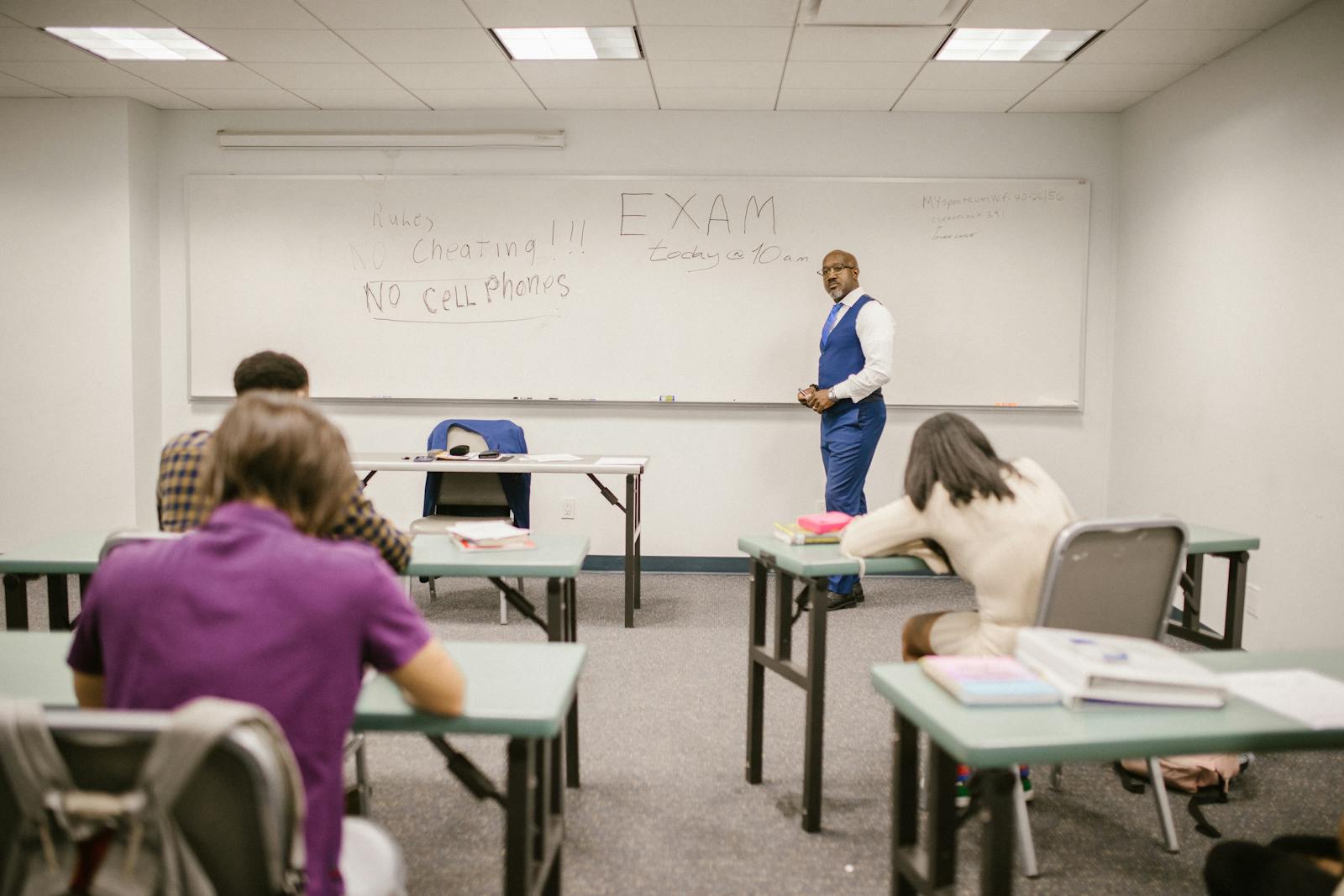
Oral exams test more than what you know — they test how clearly you can explain it under pressure. Here is a practical playbook for preparing, rehearsing, and handling the questions you do not expect.

Study burnout is not laziness — it's a measurable depletion of cognitive and emotional reserves. Learn the 10 warning signs and follow a structured 14-day recovery plan to return to studying with focus, energy, and real retention.

200 mg, 2-4 days per week, never within 8 hours of sleep. The research-backed rules for using caffeine during exam prep — and the specific situations where it quietly costs you points.

Taking a test on material you haven't studied yet sounds counterproductive, but cognitive science shows that failing a pretest before reading boosts long-term retention by 5-15 percentage points. Here's how to use it.

Self-explanation is the cognitive science technique with 40 years of evidence behind it. Here is what it is, why it works, and how to use it before your next exam.
Sebastian Leitner's 5-box flashcard system has quietly outperformed cramming for 50 years. Here's how to set it up in 20 minutes and use it to actually remember what you study.
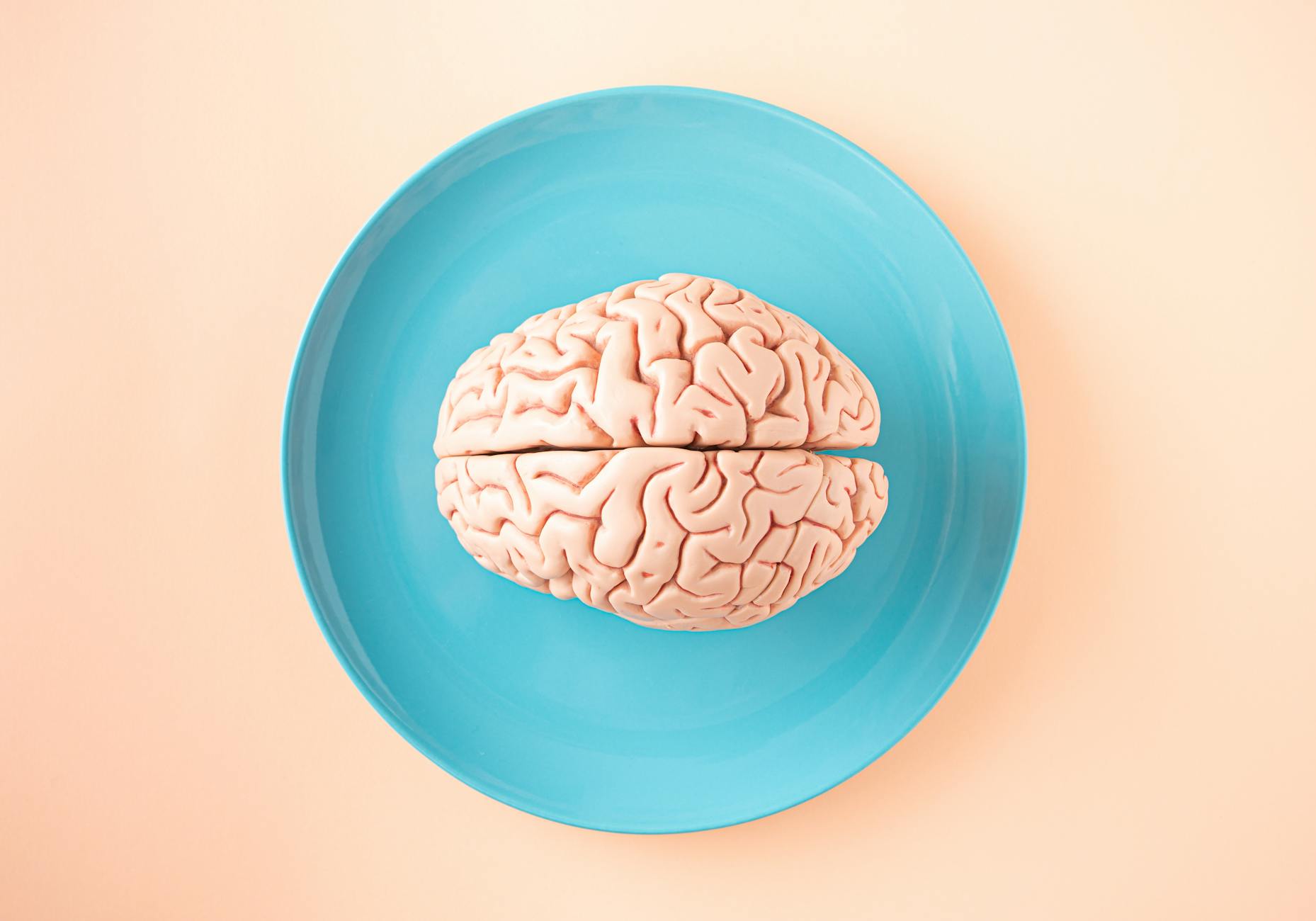
Why some students remember 50 anatomy terms from one study session while others forget them by morning — and the eight mnemonic techniques that make the difference.

It's the night before your exam and you're not as prepared as you wanted. Here's an hour-by-hour plan — active recall, practice problems, sleep — that actually moves your grade.

A 30-minute walk before studying is one of the few interventions repeatedly shown to improve memory encoding and exam scores. Here is what the research says about BDNF, timing exercise around study sessions, how much you actually need, and a weekly pattern that fits exercise into a serious exam-prep schedule.

Your brain has a preferred clock. Forcing hard study outside that window costs real exam points. Here's what chronobiology research says about peak cognitive windows, how to find your actual chronotype, and how to schedule study around it.

Most students forget more than half of what they study within 24 hours. A 140-year-old experiment explains why — and points to the exact review schedule that flips forgetting into long-term retention.

Elaborative interrogation — pausing to ask 'why is this true?' as you read — outperforms highlighting, summarizing, and rereading in the research, yet almost no student uses it. Here is exactly how it works, what mistakes wreck it, and how to fold it into your real exam prep without doubling study time.
Spaced repetition is one of the most evidence-backed study techniques in cognitive science — and yet most students use it wrong. Here is the schedule, the research, and the mistakes to avoid.

You can't out-hustle a 40-hour job with willpower. Here is a working study plan built around the small windows real life leaves you, the techniques that produce real retention per minute, and the habits that survive past Tuesday.

Most students treat past papers as a final dress rehearsal. The students who do best treat them as the spine of their study plan. Here is how to use past papers as a study tool, not a self-test.

Essay exams reward writers who can argue, not students who can recall. Here is a step-by-step study plan built around thesis libraries, timed practice, and opening paragraphs.

Most students fill pages of notes and forget most of it within 48 hours. The Cornell method divides your page into three zones that force active recall, spaced review, and synthesis — turning your notes into a built-in study guide from day one.
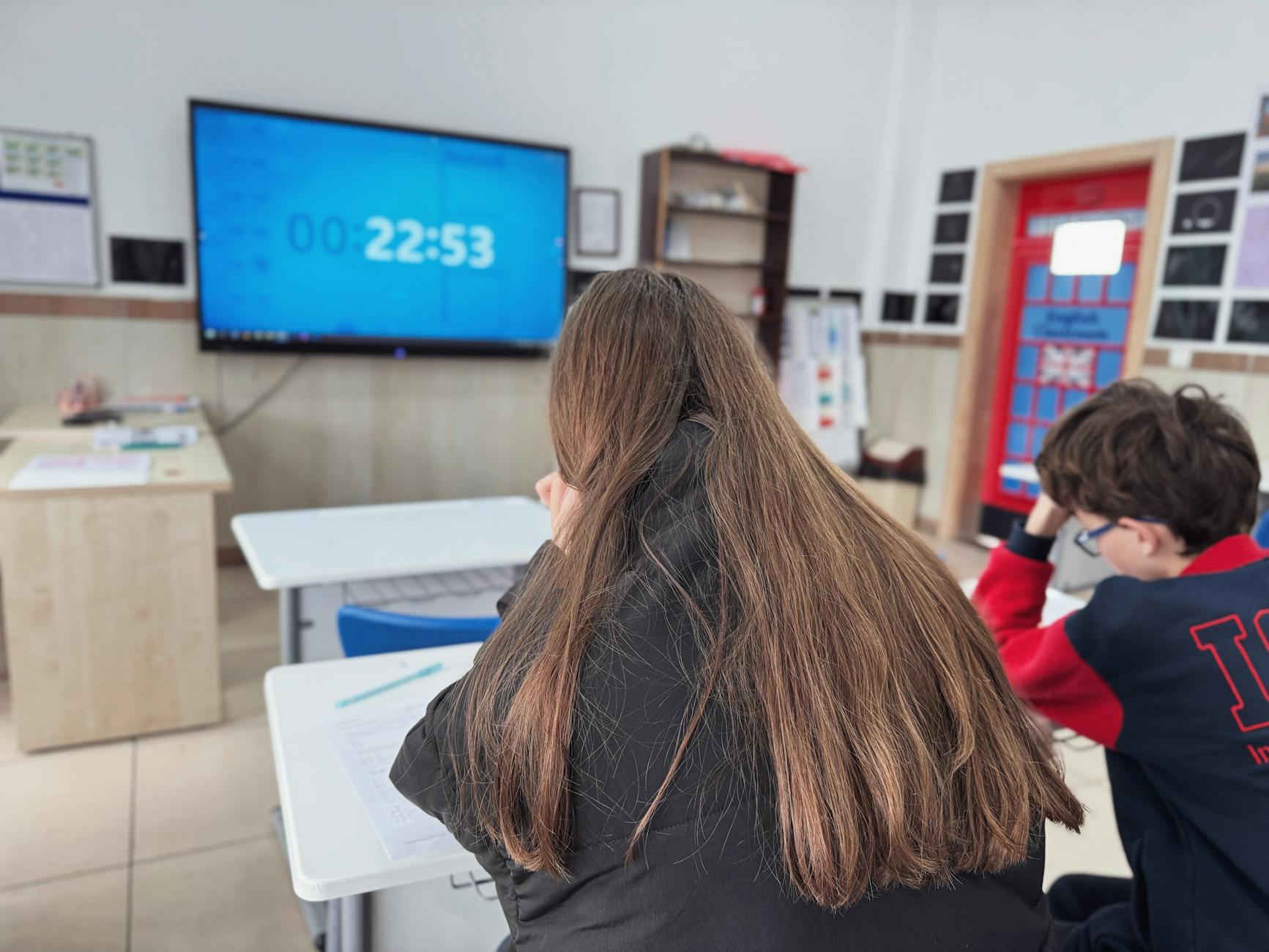
Most students sit down for three-hour study marathons and walk away exhausted but under-prepared. The Pomodoro Technique restructures your time into 25-minute focused blocks with strategic breaks — and the science shows it produces measurably better retention.

Most students study the wrong way and wonder why their mind goes blank on exam day. These 8 science-backed memorization techniques — from retrieval practice and spaced repetition to the memory palace — help you retain more in less time.
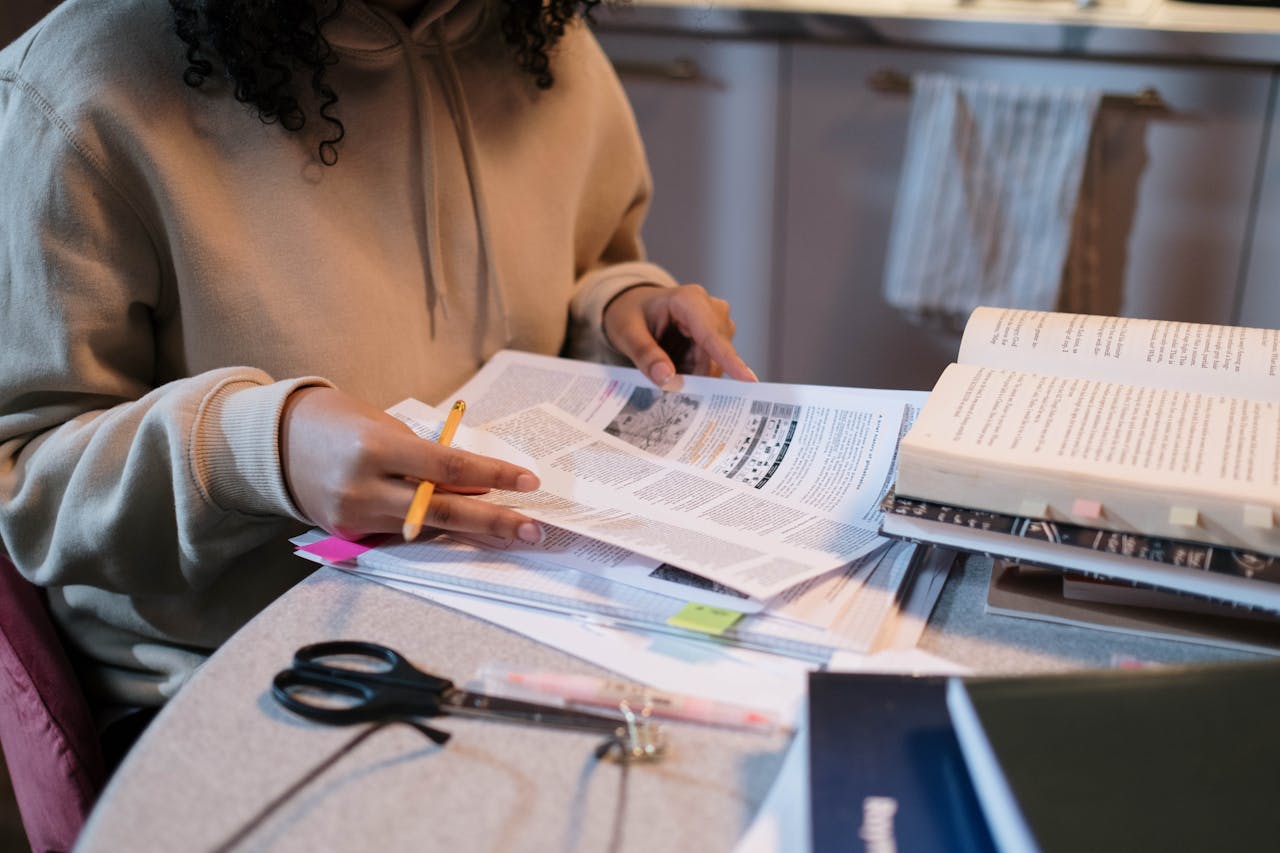
Learn how to transform your messy study notes into effective AI-generated practice exams in under 15 minutes. Step-by-step guide with real prompts, tool recommendations, and the science behind why testing yourself works better than rereading.

Looking for the best AI practice test generator from study notes and PDFs? Here's what actually matters when your notes are messy, your exam is close, and generic quizzes just waste time.

Most students lose essay exam points before paragraph two — not because of bad ideas, but invisible structure. Learn the TASK framework that turns average essay answers into A-grade responses by reverse-engineering how rubrics actually work.

Your brain doesn't just store facts — it wraps them in the sounds, smells, and lighting of wherever you studied. Here's how to exploit that quirk for better exam scores.

Most students throw away their wrong answers. That's a mistake on top of a mistake. Error analysis — classifying and targeting your specific mistake types — can boost your exam scores by 18% or more, according to research tracking nearly 7,500 students.