
How to Revise Over the Christmas Holidays (Without Ruining Them)
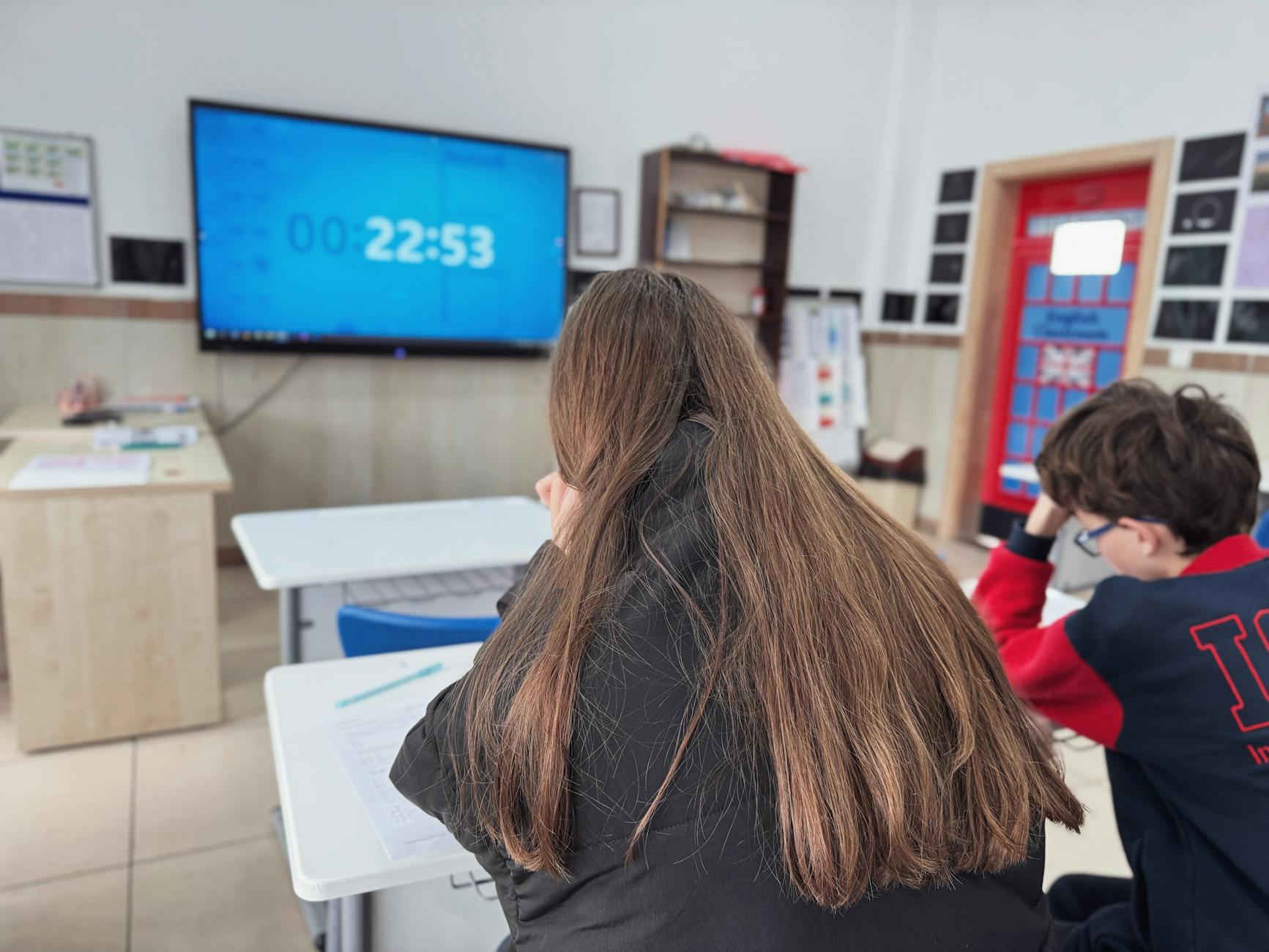
If your mocks are in January, the Christmas holidays are probably the biggest block of revision time you'll get before them. They are also your first proper break since September. Students tend to get this wrong in one of two ways: they plan to revise eight hours a day and end up doing almost nothing, or they decide to relax first and start on 2 January in a panic.
There is a middle way that works: a few focused hours on most days, a plan made before the holidays start, and days off that are actually off. Here's how to do it.
How much should you revise over Christmas?
For most GCSE and A-level students with January mocks, two to four hours of focused revision on a revision day is plenty. That is four to six sessions of 30 to 45 minutes, with breaks. Over two weeks, with Christmas Day, Boxing Day and New Year's Day off and a few lighter days, that still adds up to 25 to 40 hours, which is a lot of revision if you spend it well.
More isn't always better. Revising eight hours a day for two weeks usually ends in burnout, with very little remembered from the last few hours of each day. Spreading topics across the whole holiday also helps them stick, because coming back to a topic after a few days is one of the most effective ways to remember it.
Before you break up: three things to do in the last week of term
- Find out exactly what each mock covers: which papers, which topics, and when each one is. Ask your teachers before term ends.
- Collect what you need: revision guides, class notes, and the past papers and mark schemes your teachers recommend, or find them on your exam board's website.
- Make a topic list for each subject and rate every topic red (don't know it), amber (know some of it) or green (confident). Our guide on how to make a revision timetable explains how.
Plan the holiday before it starts
Take a calendar for the whole holiday and mark three kinds of day:
- Days fully off: Christmas Eve, Christmas Day, Boxing Day and New Year's Day are common choices, plus any day you're travelling or visiting family.
- Light days: one or two short sessions, such as some of the days between Christmas and New Year.
- Revision days: everything else.
Then give each revision day two or three subjects and specific topics. Put red topics in the first week, so you can come back to them in the second.
A sample two-week Christmas revision plan
This plan assumes your mocks start in the first or second week of January. Move the days around to fit your family's plans.
Week 1: before Christmas
- The first two days after you break up: one rest day, then a gentle start with two sessions on red topics.
- The next three days: three or four sessions a day across two or three subjects. Learn red topics, and blurt each one from memory the next morning.
- Christmas Eve and Christmas Day: off.
Between Christmas and New Year
- Boxing Day: off.
- The next three or four days: three or four sessions a day, mixing new amber topics with quick tests on Week 1's red topics.
- Do one timed section of a past paper in your hardest subject and mark it with the mark scheme.
- New Year's Eve: a light morning session at most. New Year's Day: off.
The last days before school starts
- One full past paper a day in two or three subjects, in exam conditions.
- Fix the mistakes from each paper the next morning.
- The day before your first mock: light review only, and an early night.
Make every session count
Three focused hours will get you much further than a whole day of half-revising with the TV on.
- Set a specific goal for each session, such as "learn the causes and effects of coastal erosion and test myself", not just "Geography".
- Test yourself instead of rereading: blurt, use flashcards and answer questions. Our guides to the blurting method and Leitner flashcards show how.
- Put your phone in another room during sessions.
- Revise in the morning if you can. The work is done before the rest of the household gets going, and your afternoons and evenings stay free.
Keep your days off properly off
Rest isn't wasted time. It is what lets you keep going for two weeks, and sleep is when your brain stores what you revised. On your days off:
- Don't revise "a little bit" out of guilt. It's tiring and achieves very little.
- Keep a roughly normal sleep pattern. Very late nights and lie-ins until lunchtime make it hard to get going again.
- Get outside and move, even if it's just a walk.
If the people around you don't understand why you're revising over the holidays, show them your plan. Most families are happy to work around a few hours in the morning if they know you'll be free for the rest of the day.
If you're behind before you start
If you didn't revise much during the autumn term, don't try to cover everything. Pick the subjects that matter most to you, focus on the topics you rated amber (they are the quickest to improve), and spend more of your time on practice questions and past papers than on notes. Two focused weeks can still make a real difference to your mocks. For the rest of mock preparation, see our guide on how to revise for mock exams.
Revising with QuickExam AI over the holidays
[QuickExam AI](/revision) works well on days when you have less time or are away from your notes. Type a topic such as "A-level Biology: the immune response", or take a photo of a revision guide page, and it writes multiple-choice and true/false questions you can answer on your phone, with explanations in quiz mode. Ten minutes on a train or before a family lunch is enough for a quick quiz. You can try it free for 7 days.
Christmas revision FAQ
Should I revise on Christmas Day?
You don't need to. A few full days off over the holidays will help you come back to revision fresh, and most students take Christmas Day and Boxing Day off.
How many hours a day should I revise over Christmas?
Two to four hours of focused work on revision days is plenty for most students with January mocks, with some days off and some lighter days.
Is it too late to start revising over Christmas for January mocks?
No. Two weeks of steady, focused revision can make a real difference, especially if you concentrate on amber topics and practice questions.
What should I revise first?
Start with the red and amber topics in the subjects whose mocks come first, or that matter most to you, so there is time to come back to them before school starts.
Ready to Create Better Exams?
Join thousands of educators using QuickExam AI to save time and create engaging assessments.